What Causes IBS?
Determining the root of the problem
IBS (Irritable Bowel Syndrome) is often treated as a diagnosis—but in reality, it’s a collection of symptoms, not a single condition.
Symptoms like bloating, abdominal discomfort, constipation, and diarrhea can all fall under the IBS label, but the underlying causes can vary significantly from person to person.
That’s why a one-size-fits-all approach often falls short.
To create meaningful, lasting improvement, we need to look deeper and identify what’s actually driving those symptoms. Below are some of the most common root causes I see in clinical practice.
Intestinal Permeability (“Leaky Gut”)
When the gut loses resilience
The lining of your gut acts as a barrier—allowing nutrients in while keeping unwanted substances out.
When this barrier becomes compromised, it can lead to increased sensitivity, inflammation, and digestive discomfort.
This can contribute to:
Food sensitivities
Ongoing irritation after eating
A heightened, reactive gut
Addressing the health of the gut lining is often an important part of calming symptoms and restoring normal function.
Large Intestine Microbiome Imbalances
When your ecosystem shifts
The large intestine is home to a complex ecosystem of bacteria that play a key role in digestion and overall health.
When this balance is disrupted—whether from antibiotics, diet, stress, or illness—it can lead to symptoms similar to IBS.
This may include:
Irregular bowel movements
Gas and bloating (often later in the day)
Inconsistent digestion
Supporting a healthy balance of bacteria in the large intestine is often an important piece of the puzzle.
SIBO (Small Intestinal Bacterial Overgrowth)
Normal bacteria…in the wrong place
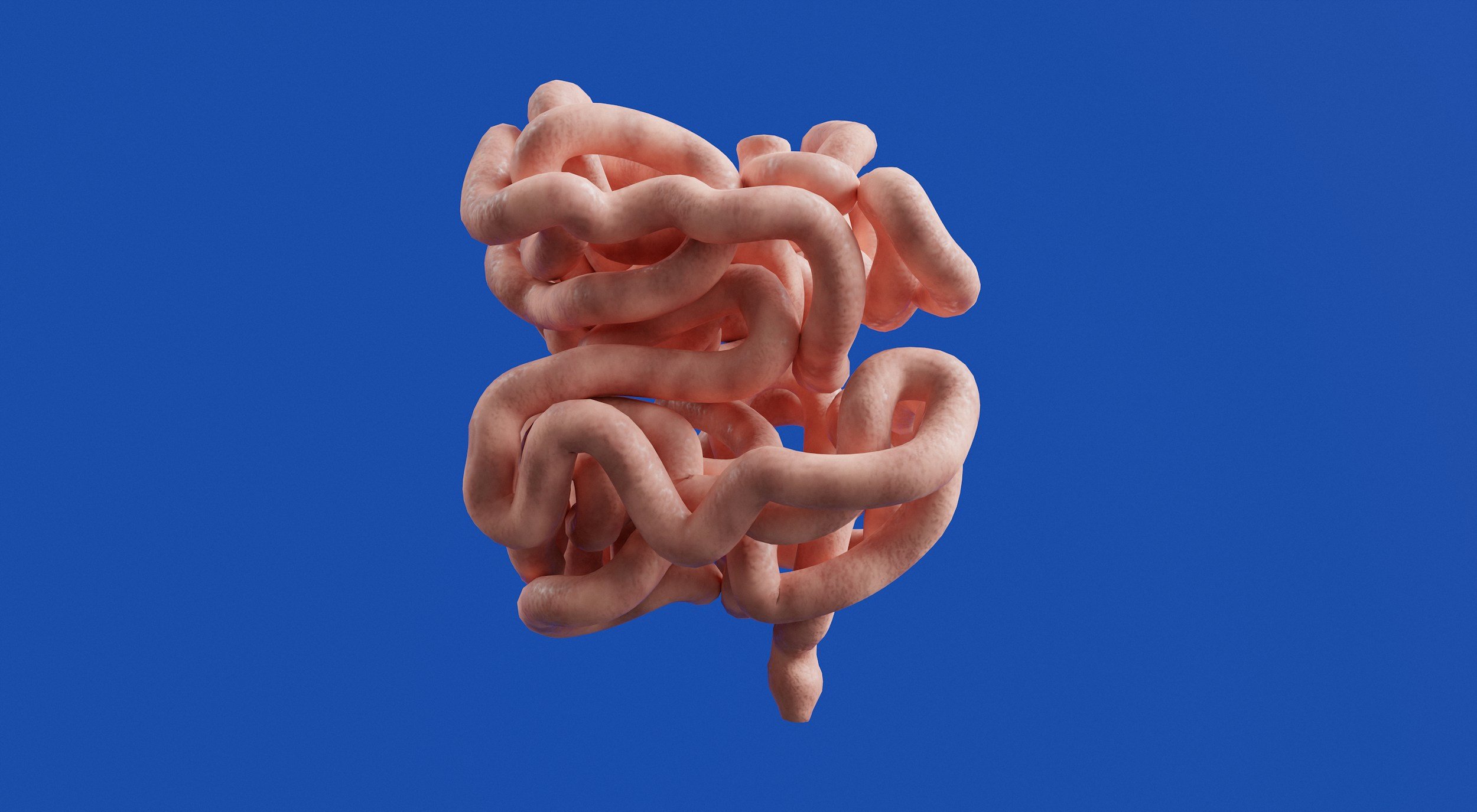
SIBO is one of the most common causes of IBS-type symptoms.
It occurs when bacteria accumulate in the small intestine, where they don’t belong. As they interact with food, they produce gas that can lead to bloating, discomfort, and changes in bowel habits.
SIBO is especially common in cases of:
Bloating shortly after eating
Constipation, diarrhea, or both
Sensitivity to a wide range of foods
Because it directly affects digestion, identifying and treating SIBO can often lead to significant improvement.
Fungal Overgrowth
An overlooked gut imbalance
In some cases, symptoms may be driven not by bacteria, but by an overgrowth of yeast or fungi in the gut.
This can present very similarly to SIBO, with:
Bloating and discomfort
Food reactions
Digestive irregularity
Fungal overgrowth is often overlooked, but can be an important consideration—especially in cases that don’t fully respond to typical SIBO treatment.
It may be more likely in individuals with a history of antibiotic use, chronic stress, or other factors that disrupt the balance of the gut microbiome.
Because symptoms can overlap so closely with other conditions, identifying when fungal overgrowth is part of the picture is key to choosing the right treatment approach.
Stress, Trauma, and the Gut-Brain Connection
When the nervous system leaves its mark
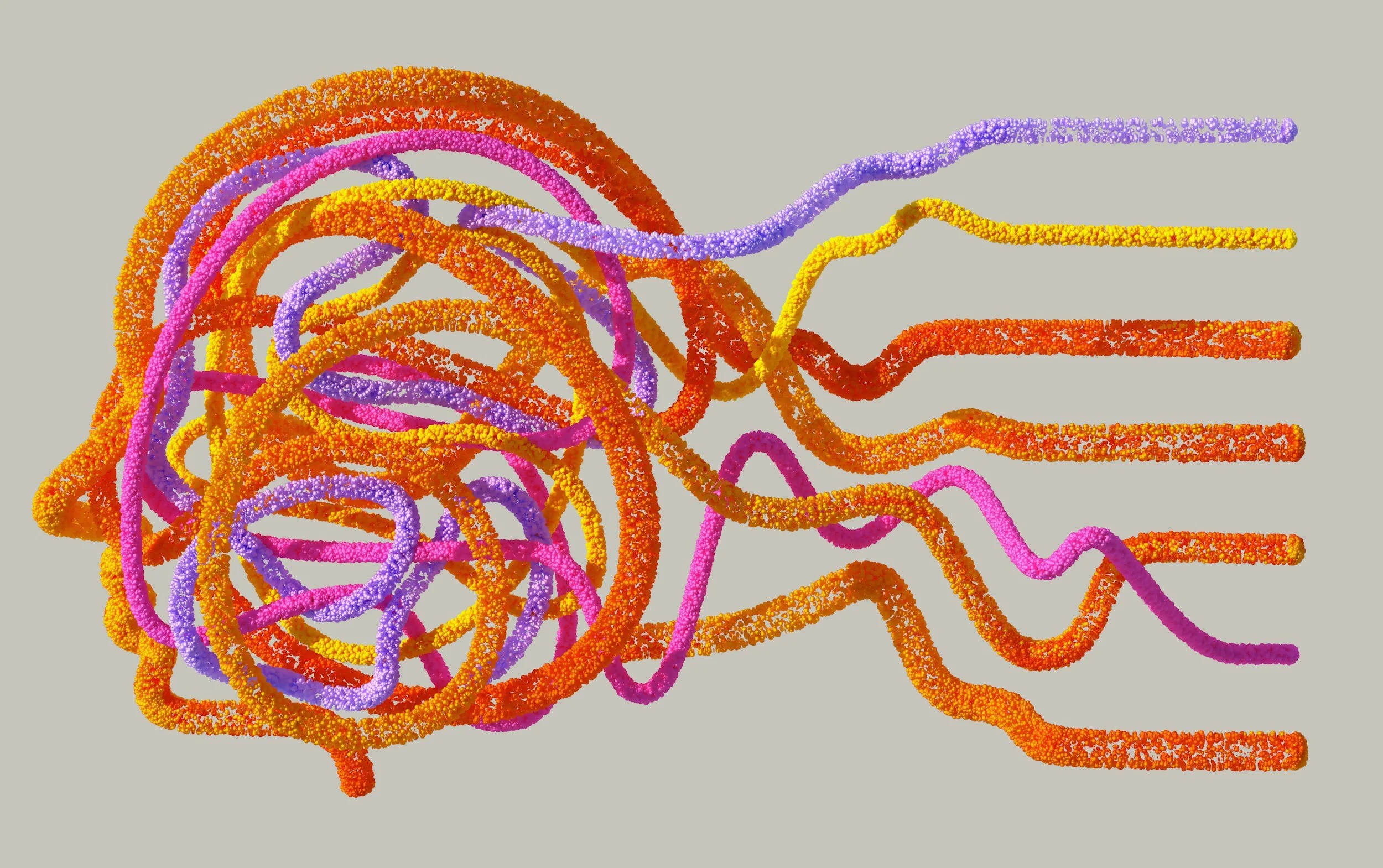
The gut and brain are closely connected. Chronic stress, anxiety, or past illness can disrupt this connection and affect how the gut functions.
Importantly, this isn’t limited to current stress. The body remembers past stress and trauma, and if it’s not properly addressed, it can continue to influence gut function years later.
This can lead to:
Changes in motility (too fast or too slow)
Increased sensitivity to normal digestion
Flare-ups during periods of stress
In these cases, the gut may be structurally healthy, but functionally dysregulated.
Supporting the nervous system and gut-brain connection is often a key part of treatment.
Post-Infectious IBS
A lingering change after illness
Some cases of IBS begin after a food poisoning or stomach infection.
Even after the initial illness has passed, the gut doesn’t always return to normal. This can lead to ongoing bloating, changes in bowel habits, and increased sensitivity to food.
In many cases, the infection can disrupt gut motility or alter the balance of bacteria in the digestive tract, which may overlap with conditions like SIBO.
We’ve also seen similar patterns following viral illnesses, including COVID-19, where digestive symptoms begin during or after infection and persist well beyond recovery.
This reflects real changes in gut function—and with the right approach, it can be addressed.